
In conclusion, liabilities serve as vital tools Car Dealership Accounting for financing business operations, facilitating transactions with suppliers, and assessing financial performance. By analyzing a company’s liability structure, one can gain insight into its overall financial position, liquidity, solvency, and profitability. Liability accounts are crucial in understanding a company’s financial health, mapping out obligations like accounts payable, long-term debts, and accrued expenses. It includes not only the regular salary or wage but also any bonuses, commissions, or other compensation owed to the employee.
The debt to capital ratio
- For instance, unused gift cards are considered a type of contingent liability as their future redemption is uncertain.
- Keep up with Michelle’s CPA career — and ultramarathoning endeavors — on LinkedIn.
- If six months worth of insurance is paid in advance, the company is entitled to insurance (a service) for the next six months in the future.
- Liabilities that are carried over a number of years or at least more than one accounting cycle.� Examples of long-term liabilities are mortgages payable, bonds payable, and long-term notes.
- Long-term liabilities are listed on the balance sheet after current liabilities.
Since the company is obligated to deliver the future service, it is a liability until that performance obligation is met. It might signal weak financial stability if a QuickBooks company has had more expenses than revenues for the last three years because it’s been losing money for those years. Assets are what a company owns or something that’s owed to the company.
Current Liabilities Formula
It is essential for businesses to manage their liabilities effectively and efficiently. Proactively addressing potential issues and maintaining open communication with regulators and stakeholders can help minimize the negative consequences of legal or regulatory obligations. For example, companies may choose to invest in insurance policies to mitigate risks related to product recalls or workplace accidents. This ratio measures a company’s ability to cover its interest expenses using its operating income. For example, taking on a loan to invest in equipment or expansion can help a business grow. However, poor liability management can lead to cash flow problems and financial instability.
What is a Liability Account? Definition, Types, and Examples
On the liabilities side (which is listed below the assets in this example), the business owes a total of $344,492. Together, these show what the business needs to pay in the near term and further down the line. In conclusion, auditing liability accounts is crucial to ensure that a company’s financial statements accurately reflect its financial obligations. External auditors, internal auditors, and government agencies are responsible for reviewing these accounts to ensure that they are accurately recorded and disclosed.
Understanding the Mechanism of Liabilities
- Current liabilities appear on the right side of the balance sheet under liabilities, reflecting debts and obligations due within one year.
- These examples highlight the diverse nature of liabilities and their impact on a company’s balance sheets.
- A company’s assets should outweigh its liabilities to maintain a stable financial position.
- Unlike bank loans, bonds typically pay regular interest while returning the principal only at maturity, which might be many years in the future.
- Sales taxes payable are amounts collected from customers for taxes owed to the government.
A contra account is an account with a balance opposite the normal accounts in its category. Contra accounts are usually linked to specific accounts on the balance sheet and are reported as subtractions from these accounts. In other words, contra accounts are used to reduce normal accounts on the balance sheet. HighRadius offers a cloud-based Record to Report Suite that helps accounting professionals streamline and automate the financial close process for businesses.

Example 1 – Current Liabilities
These arise due to timing differences between when income or expenses are recognized for accounting purposes versus tax purposes. It’s a bit like knowing you have to pay taxes on April 15th but already accounting for it in the previous year’s books. Bonds payable represent the amount owed to bondholders by the issuer (that’s you if you’ve issued bonds).

Liabilities on the Balance Sheet
Managing liabilities is a crucial aspect of running a successful business. It involves anticipating future financial obligations and employing strategies to meet them while maintaining solvency. One of the key steps in planning for future obligations is to thoroughly analyze a company’s balance sheet, identifying both short-term and long-term liabilities.
Why Use a Contra Account?
For example, a marketing firm may receive marketing fee from its client for the forthcoming quarter in advance. Such unearned revenue would be recorded as a liability as long as the related marketing services against it are not provided to the client who has made the advance payment. Examples of common long-term liabilities include bonds payable, mortgages, leases, deferred taxes, pension obligations, and lines of credit. In conclusion, liability accounts play a critical role in a company’s financial health. Dividends payable is an important liability account that represents the company’s obligation to pay dividends to its shareholders.
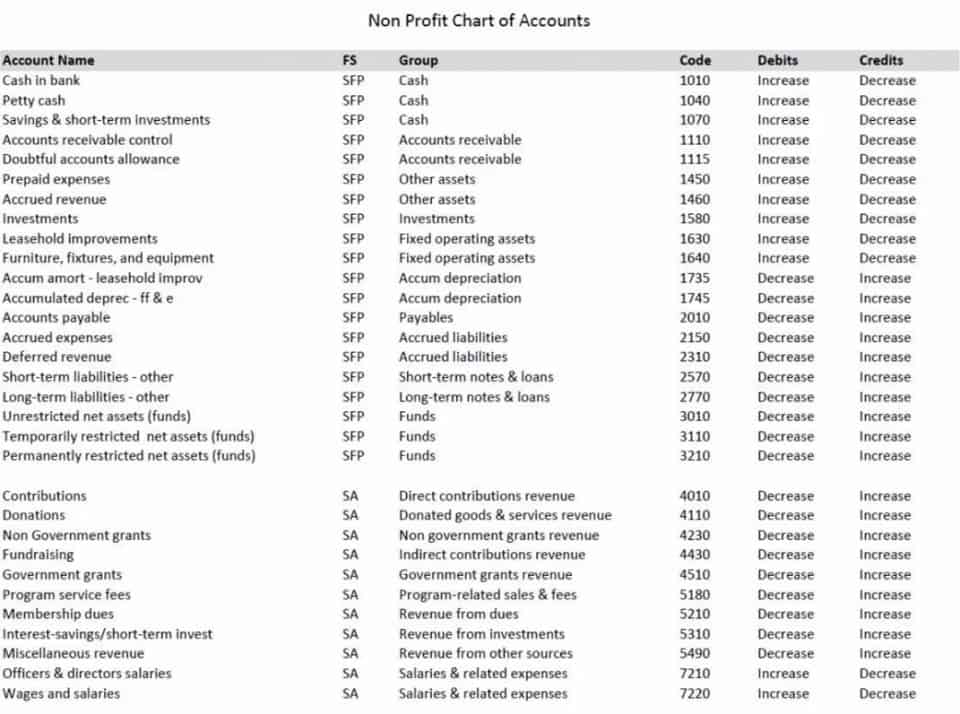
Again, equity accounts increase through liability accounts examples credits and decrease through debits. Assets and expenses increase when you debit the accounts and decrease when you credit them. Liabilities, equity, and revenue increase when you credit the accounts and decrease when you debit them. Modern tools and technologies are revolutionising liability management, making it easier than ever for businesses to streamline their processes and make data-driven decisions. At Alaan, we empower businesses with advanced spend management solutions designed to simplify liability tracking and improve financial oversight. These are potential obligations that depend on the outcome of a future event.
Revenue Recognition
Don’t overlook those “maybe” obligations when analyzing your financial position. A business might look healthy based on traditional ratios but could face substantial future cash outflows from pending lawsuits or extensive warranty obligations. For an even stricter test of your short-term liquidity, try the quick ratio, which excludes inventory from the calculation.